Source Building Blocks Electronic Game Track for Play, Education, and Retail
Source building blocks electronic game track sets for children's play, STEM education, and retail distribution. Compare 30 options featuring plastic and ABS materials, varying piece counts, and diverse themes to find suitable educational toys for young buyers; compare the available evidence and request quotations based on your requirements.
Key considerations
Products List
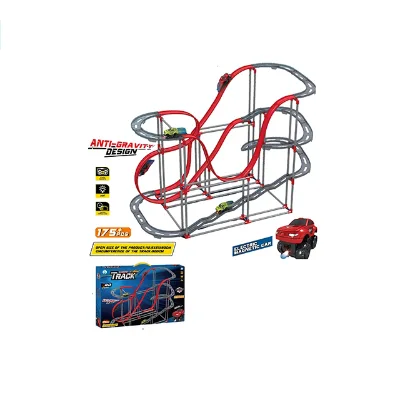
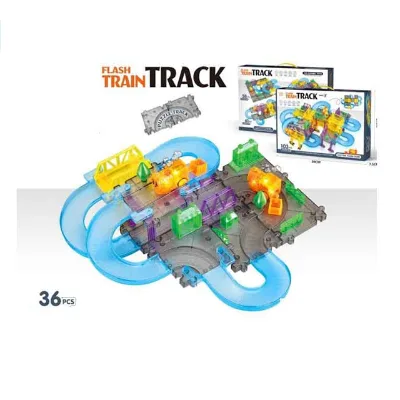
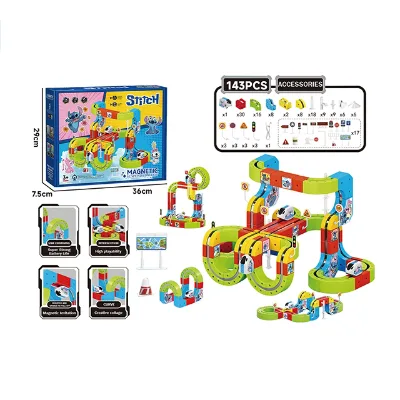
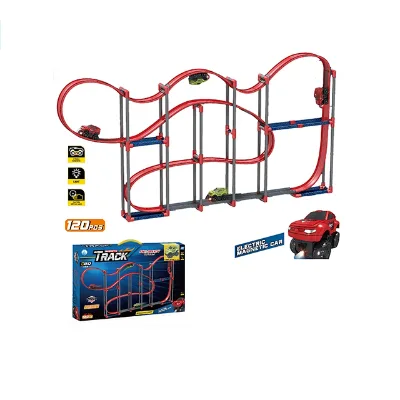
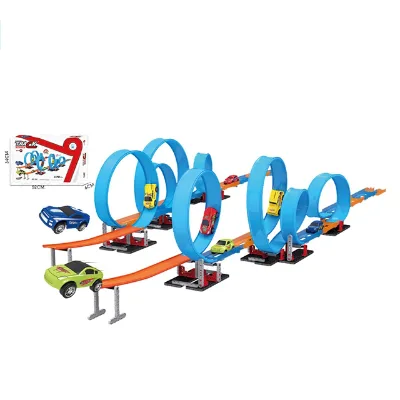
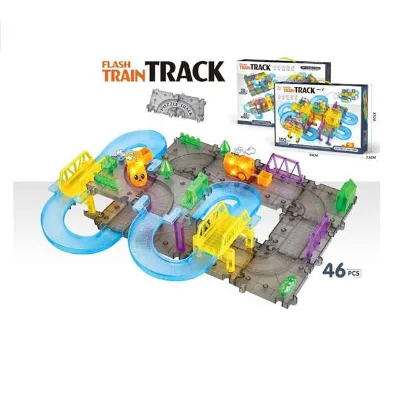


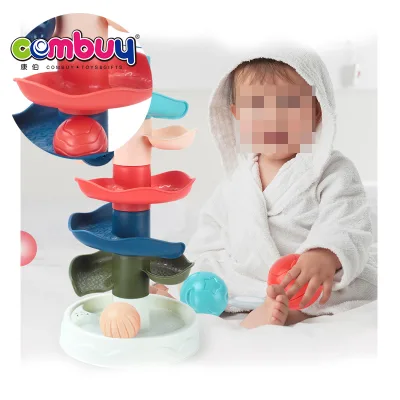

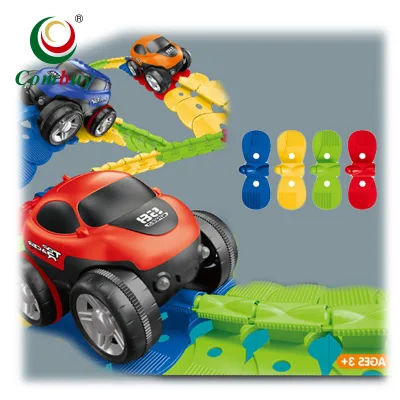


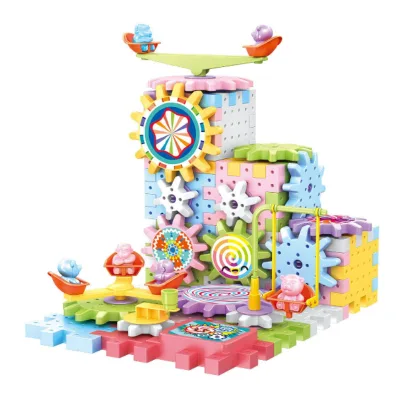
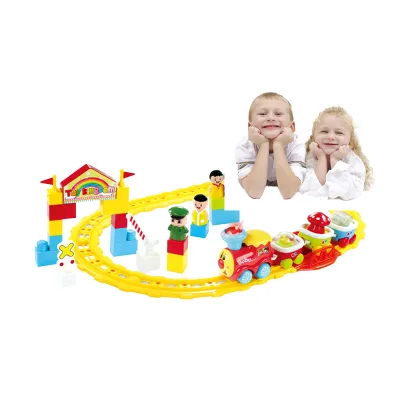


Comprehensive Sourcing Guide
Building Blocks Electronic Game Track Sourcing Guide
Buyers evaluating building blocks electronic game tracks must first distinguish between purely mechanical track systems and those integrating electronic components, as the supplied data primarily reflects mechanical STEM construction sets. The observed product listings highlight various track configurations, including high-speed racer sets and light train systems, which rely on physical assembly rather than embedded circuitry for operation. Procurement teams should verify whether the "electronic" descriptor in a listing refers to external power sources like batteries for light-up features or if it implies integrated motorized functions, as the current catalog data emphasizes durable plastic construction and manual play value.
The market signals indicate a strong focus on educational outcomes, with specific products designed to develop hand-eye coordination and intelligence through track assembly. Buyers should note that while some listings mention "developing intelligence," the core functionality remains centered on physical block manipulation and track layout creation. Sourcing strategies must account for this distinction, ensuring that the selected supplier can provide clear documentation on any electronic elements, such as light-up trains or motorized cars, to avoid confusion between standard building block sets and more complex electronic gaming toys.
Product Scope and Observed Listing Signals
The observed product range spans from small 36-piece transparent sets to large 298-piece racer game sets, indicating a wide scope in scale and complexity for buyers to consider. Listings show specific model numbers like DK01211399 and DK01446825, which correspond to distinct piece counts and themes ranging from modern buildings to high-speed racing tracks. Procurement teams should analyze these variations to match inventory with specific age groups, as the data explicitly links certain sets to age ranges like 2 to 4 years or 5 to 7 years, ensuring the product complexity aligns with the target demographic's developmental stage.
Material composition is a critical signal, with the majority of observed items constructed from ABS plastic, a standard choice for durability and safety in children's toys. The listings also reference specific packing types, such as hand boxes and color boxes, which influence the final retail presentation and shipping costs. Buyers must verify if the "Picture shows" color attribute applies to the specific batch ordered, as visual consistency is vital for brand integrity. Additionally, the presence of customization options suggests that suppliers may offer tailored branding or packaging, which should be confirmed early in the negotiation process to avoid delays.
Technical Specifications to Verify
Technical verification must begin with the precise model numbers and piece counts, as these define the physical scope and assembly requirements of the track system. Buyers should cross-reference the listed model numbers, such as DK01627110 for magnetic blocks or DK00983989 for battle game tracks, against the actual physical samples to ensure the component count matches the description. Discrepancies in piece counts can lead to incomplete sets or assembly failures, which are critical quality issues in the educational toy sector. Confirming the exact quantity of items in each set is essential for accurate inventory planning and customer satisfaction.
Dimensional specifications and weight data are equally critical for logistics planning and shipping cost estimation. The provided data includes specific packing sizes and carton dimensions, such as 48.5733.2cm for one variant and 25.5620.2cm for another, alongside gross weights of 24.5kg and 28kg respectively. Procurement teams must use these figures to calculate container loading efficiency and determine the most cost-effective shipping method. Verifying that the physical dimensions of the finished product match the listed packing sizes ensures that the supplier's packaging is optimized for protection and space utilization during transit.
Compliance and Safety Documentation
Safety compliance is paramount for building blocks intended for children, particularly given the varying age ranges from toddlers to early school-age children. While the supplied facts mention EN 71 as a background standard, buyers must explicitly request current test reports confirming that the ABS plastic and any electronic components meet the specific safety requirements for the target market. It is insufficient to rely on general claims; the supplier must provide third-party laboratory results demonstrating that the toys are free from hazardous substances and that small parts do not pose a choking hazard for the specified age groups.
Documentation regarding material safety and chemical composition should be verified against the declared plastic type, which is listed as ABS in several key listings. Buyers should ensure that the supplier provides a Material Safety Data Sheet (MSDS) or equivalent documentation confirming the non-toxic nature of the materials used. Furthermore, if the product includes electronic features like lights, the electrical safety of any included batteries or wiring must be validated. The absence of specific certification data in the initial listing highlights the need for rigorous pre-shipment verification to mitigate liability risks.
Cost Drivers and Commercial Terms
The commercial landscape for these toys is influenced heavily by the Minimum Order Quantity (MOQ), which varies significantly across different product lines. The observed data shows MOQs ranging from 5 cartons for some items to 40 or even 180 units for others, directly impacting the initial capital outlay for buyers. Procurement teams must align their order volumes with these thresholds to secure the best unit pricing, as ordering below the MOQ may result in higher per-unit costs or the inability to place an order at all. Understanding these thresholds is essential for budgeting and inventory management strategies.
Pricing structures are further affected by the complexity of the set, with larger sets like the 298-piece racer game likely commanding higher prices than the 36-piece transparent blocks. The observed price range of 0.59 to 900 USD reflects this disparity, though specific unit costs depend on the negotiated volume and customization level. Buyers should also factor in the cost of specialized packaging, such as color boxes versus hand boxes, as this adds to the overall landed cost. Negotiating clear terms regarding price adjustments for volume increases and customization fees is crucial for maintaining healthy profit margins.
Supplier Qualification and Quality Control
Supplier qualification should prioritize manufacturers located in established toy production hubs, such as Guangdong, China, which is identified as the place of origin for the observed listings. Buyers must verify the supplier's production capacity and history of manufacturing similar STEM building blocks to ensure they can meet demand without compromising quality. The presence of specific model numbers and detailed specifications suggests a level of manufacturing maturity, but direct engagement with the factory is necessary to confirm their ability to maintain consistent quality across large production runs.
Quality control protocols must be strictly enforced, focusing on the durability and safety of the plastic components. The product descriptions emphasize "durable and safe toy" attributes, which require rigorous testing for breakage and edge sharpness. Buyers should implement a pre-shipment inspection plan that checks for color consistency, piece integrity, and proper assembly of the track systems. Additionally, verifying that the supplier adheres to the stated customization capabilities ensures that any branding or packaging modifications are executed correctly, maintaining the brand's reputation for quality and safety.
Long-Term Procurement Checks
Long-term procurement success depends on establishing a reliable supply chain that can adapt to changing market demands and regulatory updates. Buyers should maintain regular communication with suppliers to monitor any changes in material sourcing or production processes that could affect product safety or performance. The dynamic nature of the toy industry requires proactive management of supplier relationships to ensure continuity of supply, especially for popular models with high demand. Building a partnership based on transparency and mutual growth will help mitigate risks associated with supply chain disruptions.
Continuous performance monitoring is essential to ensure that the products continue to meet the expectations of the target market. Buyers should track customer feedback regarding the durability and play value of the building blocks to identify any recurring issues that need to be addressed with the supplier. Regular audits of the supplier's quality control processes and compliance documentation will help maintain high standards over time. By staying vigilant and responsive to market trends, buyers can ensure that their product offerings remain competitive and safe for children in the long term.
FAQs
What is the minimum order quantity for these building blocks?
The minimum order quantity varies by product, ranging from 5 cartons to 500 units depending on the specific model. Some items like the 175-piece set require 5 cartons, while others may need 40 or 180 units. Buyers should check the specific model number to confirm the exact MOQ before placing an order.
Which materials are used to make these track building blocks?
These toys are primarily constructed from durable plastic, with specific models using ABS plastic for safety and longevity. The material choice ensures the blocks are sturdy enough for children to build complex tracks while remaining safe for play. All listed products utilize high-quality plastic suitable for educational and recreational use.
Can buyers request customization for these building block sets?
Yes, customization is available for certain building block track sets to meet specific buyer requirements. This allows purchasers to tailor the product to their market needs while maintaining the core educational value. Buyers should contact suppliers directly to discuss specific customization options and feasibility for their orders.
What age range is suitable for these educational track toys?
The toys are designed for various age groups, with specific sets targeting children aged 2 to 4 years and others for ages 5 to 7 years. Some products are suitable for children aged 3 and above, ensuring safe play across different developmental stages. Always verify the age range listed for the specific model number before purchase.
Where are these building block toys manufactured and shipped from?
These products originate from Guangdong, China, which is a major hub for toy manufacturing. The location ensures efficient production and logistics for international buyers seeking building block sets. Buyers can expect consistent quality and reliable shipping schedules from suppliers based in this specific region of China.
How do these blocks help develop children's skills?
These building blocks are designed to develop hand-eye coordination and intelligence through interactive play. The track sets encourage children to assemble pieces, fostering problem-solving skills and creativity. As educational toys, they provide a fun way for kids to learn while engaging with durable and safe game components.